

Let’s be honest about something: the basketball world doesn’t like to discuss that talent alone doesn’t make an NBA player. In full disclosure, I had intended to tell my audience that being light-skinned and identifying as black would catapult you to the top of the list to make the NBA. The next thought was if your father is LeBron James, he could muscle the entire industry that is basketball to ensure the fact that you, his son, made it to the NBA. I thought better of that, didn’t want to lose friends, and wanted to give you some real insight as to what it may take today. The floor is higher today to make the NBA. Players must be able to do more; there are fewer specialists (pure shooters, rebounders, etc.) on the floor, and physical conditioning is centered more around the physical frame of a cross-country runner.
The NBA is a basketball league, but it is also a storytelling business. Before the public knows your game, they know your name. Before they understand your statistics, they hear your story. Before they decide whether you’re special, somebody has already decided what kind of player you are. The uncomfortable truth is that becoming an NBA player requires two things: becoming exceptionally good at basketball and becoming exceptionally good at creating a basketball identity. The first one gets you on the court. The second one determines how the world sees you when you get there.
1. Create the Character
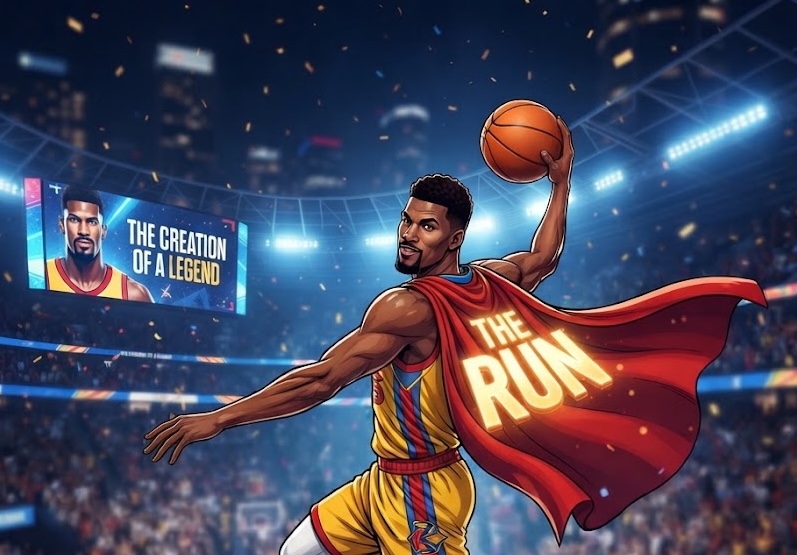
Every great player eventually becomes a character larger than the person who plays the game. Jordan became His Airness. Kobe became the Mamba. Magic became Magic. Shaq became Shaq. The player and the persona became inseparable. That’s not accidental. The NBA understands characters because characters sell tickets, jerseys, television, shoes, and ultimately mythology. Your job isn’t to manufacture a fake personality. It’s to identify the most compelling version of yourself and make it unmistakable. Your basketball identity should be so clear that someone can describe your game in one sentence. Are you the killer shooter? The lockdown defender? The floor general? The explosive athlete? The player who never stops coming at you? You need an identity before you need an audience.
2. Build a Backstory
Nobody is simply interested in where you are. They want to know how you got there. Where did you come from? Who raised you? What did you overcome? Who believed in you before anybody else did? What made you different? Basketball has always understood the power of origin stories. Giannis Antetokounmpo’s story is an obvious example. He was born to Nigerian immigrants in Greece, grew up in difficult economic circumstances, sold goods on the streets with his brothers, and ultimately went from relative obscurity to becoming one of the most dominant players in the world. The lesson isn’t to invent adversity. The lesson is to understand that context creates meaning. If your family has a basketball pedigree, tell that story. If you came from nothing, tell that story. If you were overlooked, tell that story. Your history is part of your basketball identity.
3. Turn Your Best Skill Into a Superpower
Most players have no idea what they’re actually good at. They want to be good at everything, which usually means they become exceptional at nothing. Figure out what separates you. Shooting? Passing? Getting downhill? Defending? Rebounding? Creating turnovers? Making decisions? Then build your game around that advantage until it becomes undeniable. Don’t just be a good shooter. Become the shooter everybody in the gym is afraid to leave open. Don’t just be a passer. Become the player who sees plays before everybody else does. Great players don’t simply have skills. They have weapons. The objective of development isn’t to eliminate everything you’re bad at before you become great at something. It’s to identify your greatest weapon, make it elite, and then build enough complementary skills around it that opponents can no longer take it away.
4. Give People Something to Remember
Your name matters. Your nickname matters. Your number matters. Your appearance matters. Your mannerisms matter. None of these things substitute for talent, but they contribute to recognition. Michael Jordan became Air Jordan. Kobe Bryant became the Black Mamba. Allen Iverson became A.I. Earvin Johnson became Magic. These identities became cultural shorthand. The objective isn’t to force a nickname onto yourself. The objective is to create an identity so distinctive that people eventually give you one. You should be recognizable before you become famous. When people hear your name, they should already have an image of what your basketball represents.
5. Give People Somebody to Root Against
This is where basketball gets uncomfortable. Sports need conflict. You can love the game. You can respect your opponents. You can shake their hands after the game. But competition requires somebody to beat. Fans need heroes, and heroes become more interesting when there is somebody standing across from them. The villain isn’t necessarily a bad thing. In fact, some of the most commercially powerful athletes in sports history understood how to embrace it. Draymond Green, whom I hate lovingly, is a perfect example. He has made himself one of the most polarizing personalities in basketball, but that same edge became part of his identity and helped define the competitive personality of the Golden State Warriors. If everybody likes you, you’re probably not creating much tension. You don’t have to manufacture controversy, but you shouldn’t be afraid of being disliked either. Sometimes the edge that makes an opponent angry is the same edge that makes your fans love you.
6. Develop a Look
Uniforms create conformity. Style creates identity. The great ones understand the difference. Shoes, sleeves, socks, compression gear, headbands, warm-ups, hairstyles, jewellery, and even the way a player enters the arena can become part of the character. Think about Allen Iverson’s cornrows and arm sleeve, LeBron’s physical presence, Russell Westbrook’s fashion, or Steph Curry’s shoes. The objective isn’t to dress ridiculously just to get attention. It’s to become visually recognizable. If someone sees a photograph from twenty feet away, they should eventually know who they’re looking at. Your appearance should reinforce your basketball identity rather than distract from it.
7. Become Better Than the Character
Here’s where most people get this completely wrong. You cannot market your way into being an NBA player. Eventually, the character must play. The story can get you noticed. The nickname can get you remembered. The outfit can get you photographed. The rivalry can get people watching. But none of it survives if you can’t perform. The character is the wrapper. The basketball is the product. That’s why skill development has to remain ruthless. Your weaknesses eventually become somebody else’s scouting report. Every great player understands that the version of themselves people see today cannot be the version they bring tomorrow. If your brand is bigger than your game, eventually somebody is going to expose the difference.
8. Embrace the Evolution
The player who enters the league is rarely the player who becomes a superstar. Steph Curry entered the NBA as a talented shooter with legitimate questions about his size, durability, and ability to become a primary offensive engine. He eventually became one of the greatest shooters in basketball history, but he also developed his passing, ball handling, leadership, conditioning, and ability to manipulate defenses. His evolution changed the way basketball is played. That’s what growth looks like. Don’t become so attached to your identity that you refuse to evolve. Your first version is not your final version. The character has to develop because the player has to develop. If you are a shooter today, maybe tomorrow you become a shooter who can create off the dribble. Then a shooter who can make plays. Then a shooter who controls the game without needing to dominate the ball. Development isn’t abandoning your identity. It’s expanding it.
9. Make People Believe Before They Have Proof
This may be the most important part. Before LeBron James became LeBron James, somebody had to believe in LeBron James. Before Kobe became Kobe, somebody had to believe in Kobe. Before Steph became Steph, somebody had to believe in Steph. Great athletes don’t always wait for the world to validate them. They establish an identity, then spend years accumulating evidence to support it. But there is a difference between confidence and delusion. You cannot simply announce that you’re great. You have to build a body of work that makes the claim difficult to dispute. Your confidence should come from evidence. You made 500 shots yesterday. You beat the best player in the gym. You fixed the weakness your coach identified. You stayed in the gym when everybody else went home. You performed when the game mattered. Eventually, confidence stops being something you say and becomes something people can see.
10. Build a Practical Daily Development Plan
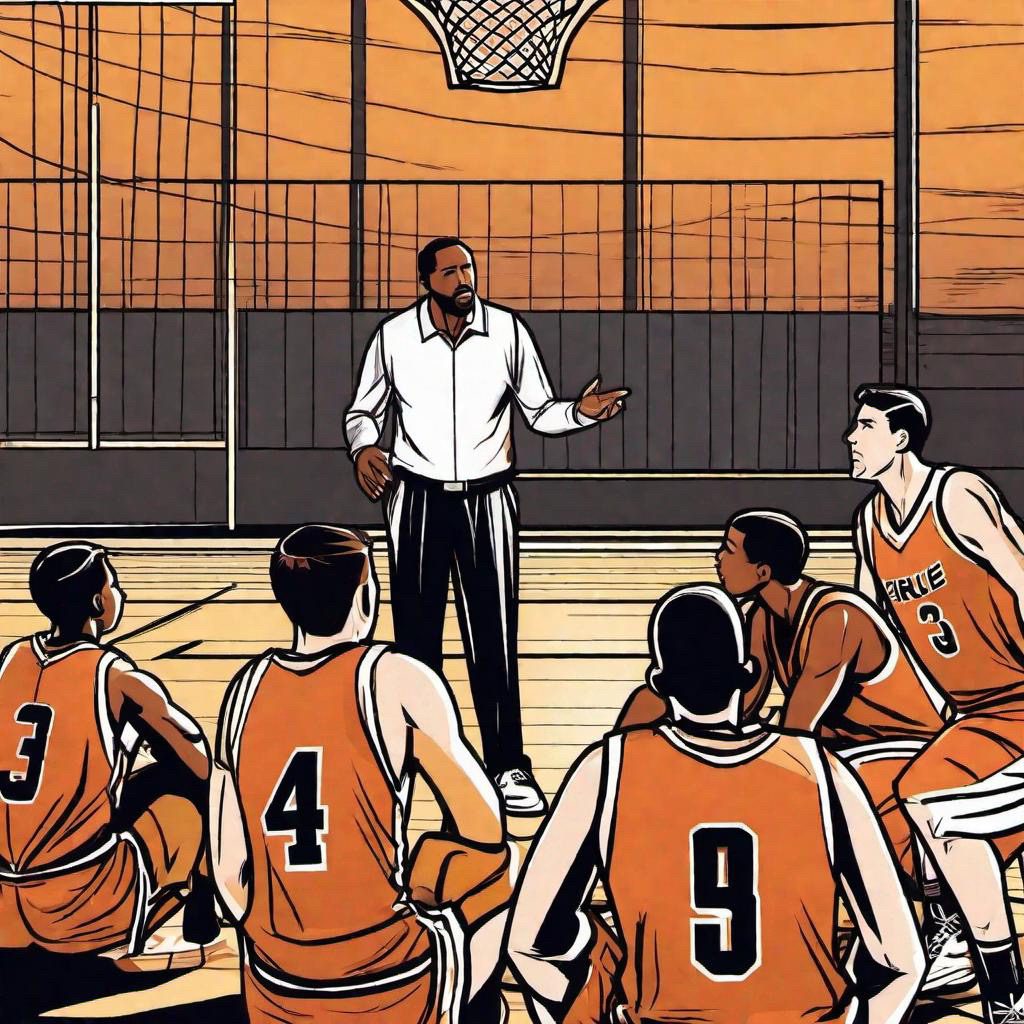
This is where the fantasy ends and the work begins. If you actually want to become an NBA-level player, you need a daily development system. Not motivation. Not a collection of Instagram workouts. Not a trainer telling you that you’re special. A system. Every day should attack five areas: skill development, decision-making, competition, physical development, and recovery. The exact amount of time will depend on the player’s age, schedule, level, and training environment, but the priorities shouldn’t change. You need to become better with the basketball, smarter without it, stronger physically, tougher competitively, and disciplined enough to recover so you can do it again tomorrow.
The first part of the day should be built around your primary weapon. Give yourself roughly 60 to 90 minutes of focused skill development. If you’re a shooter, shoot. If you’re a ball handler, work on creating advantages rather than simply performing dribbling combinations. If you’re a big, develop finishing, screening, rebounding, passing, post decisions, and shooting. The workout should resemble the situations you will actually encounter in games. Catch-and-shoot opportunities, movement shots, pull-ups, closeouts, finishing through contact, passing under pressure, and decisions made at game speed are more valuable than spending hours performing drills that look impressive but don’t transfer to competition. Every workout should answer one question: What am I trying to become undeniable at?
The second part of development should be decision-making. Spend 30 to 45 minutes studying film, watching yourself play, or analyzing elite players at your position. Don’t just watch highlights. Highlights teach you what happened after the decision. You need to study the decision itself. Pause the film before the action happens and predict what the player should do. Study spacing, defensive positioning, pick-and-roll reads, help defense, transition opportunities, closeouts, and passing windows. Watch what happens away from the ball. A player who can execute a skill is useful. A player who knows when to use that skill is dangerous.
You also need daily competition whenever your schedule and body allow it. One-on-one, two-on-two, three-on-three, five-on-five, organized runs, pickup, or competitive team practice all have value because they force your skills to survive in an unpredictable environment. Don’t spend your entire development life training against cones. Cones don’t deny your left hand. Cones don’t talk trash. Cones don’t change defensive coverage. Cones don’t make you tired. Cones don’t scout you. Competition exposes the difference between what you can do in a workout and what you can actually do when another player is trying to stop you. The gym should eventually become a laboratory for the game, not an escape from it.
Physical development should also be intentional. Give yourself approximately 30 to 60 minutes for strength, mobility, acceleration, deceleration, jumping ability, conditioning, balance, and injury prevention, depending on your age and training program. Don’t train simply to become bigger or stronger. Train for basketball. A guard may need explosiveness, lateral movement, strength, and deceleration. A wing may need strength, mobility, repeated sprint ability, and contact tolerance. A big may need lower-body strength, balance, conditioning, and the ability to absorb and deliver physical contact. Your body isn’t separate from your basketball development. Your body is part of your skill set.
Finally, treat recovery as training rather than what happens after training. Sleep. Eat properly. Hydrate. Take care of your feet. Maintain mobility. Pay attention to soreness and fatigue. Learn the difference between being uncomfortable and being injured. You cannot consistently perform at a high level if you’re constantly operating at 60 percent because you refuse to recover. The most disciplined player in the gym isn’t necessarily the one who works the longest. Sometimes it’s the player who understands exactly when to push, when to rest, and how to come back ready to perform again.
That’s the real formula. Create the identity. Build the story. Develop the weapon. Create the conflict. Develop the look. Master the game. Study the game. Train the body. Compete. Recover. Measure yourself. Then do it again tomorrow. And again the next day. Eventually, the character has to meet the evidence.
You don’t become an NBA player because you look like one, talk like one, dress like one, or believe you’re one. You become one when your daily work produces a level of basketball that makes the label impossible to deny.
Leave a Reply