


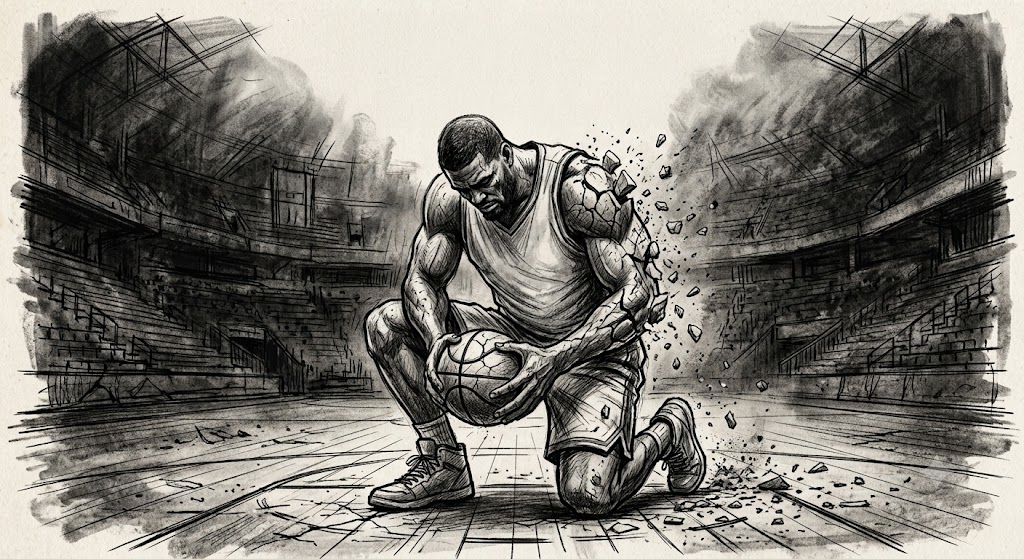
Here’s the Skinny(s). Basketball has always celebrated the extraordinary. The game rewards height unlike any other major sport, making towering athletes some of its most coveted talents. Every generation searches for the next physical anomaly—the player whose combination of size, skill, and athleticism appears capable of redefining what is possible on a basketball court. Yet history has repeatedly demonstrated that the same physical attributes that create generational greatness often introduce equally extraordinary physiological challenges.
Standing 7 feet 3 inches or taller is an undeniable competitive advantage in basketball. Defensively, it alters shooting, expands the defensive range and pressure, increases fastbreak opportunities through blocked and changed shots, and allows players to dominate areas of the floor that are inaccessible to almost every opponent. Height is basketball’s most valuable commodity.
It is also, paradoxically, one of its greatest liabilities.
Victor Wembanyama’s diagnosis of a deep vein thrombosis (DVT) in his right shoulder during the 2024–25 NBA season has once again focused attention on an uncomfortable reality that has followed the sport for decades: exceptionally tall basketball players rarely experience ordinary careers. Although public reporting has suggested that repetitive upper-body stress may have contributed to the condition, the precise medical cause is low-key unknown. What is beyond dispute is the seriousness of the diagnosis. A blood clot is not merely a basketball injury. It is a potentially life-threatening medical condition requiring immediate intervention.
In the 2025-26 NBA season, Wembanyama led the San Antonio Spurs to the NBA Championship Finals, which gave validity to the decision the Spurs made to end Wembanyama’s 2024-25 season. In doing so, they acknowledged an organizational truth that transcends short-term wins and losses. Franchise players represent long-term investments, but they are also human beings whose health necessarily supersedes competitive ambition. Wembanyama’s situation raises a broader question: Can the human body sustain elite basketball performance at extraordinary heights over the course of an NBA career?
The Biomechanics of Exceptional Height
The challenge confronting players above 7’3″ is not simply that they are taller than everyone else. Rather, their bodies operate under mechanical conditions fundamentally different from those experienced by average NBA athletes.
Human movement is governed by principles of physics as much as physiology. As limb length increases, so too do the forces acting upon joints during acceleration, deceleration, jumping, and landing. Every additional inch increases leverage throughout the kinetic chain, amplifying stress on the feet, ankles, knees, hips, and spine, all problematic areas for freakishly tall centers.
An NBA season compounds these forces relentlessly. An 82-game regular season, postseason competition, travel across multiple time zones, compressed recovery periods, and thousands of explosive movements create cumulative mechanical loading unmatched by virtually any other professional sport. According to sports science data, for exceptionally tall athletes, the issue is rarely a single traumatic injury. Instead, it is the accumulation of microscopic stress over years of elite competition.
Sports medicine often describes these processes as repetitive loading injuries. Cartilage gradually deteriorates. Bones absorb repeated impact forces. Tendons lose elasticity. Ligaments compensate for structural imbalances. What begins as soreness frequently evolves into chronic pathology. Basketball history provides numerous examples.
The Historical Record
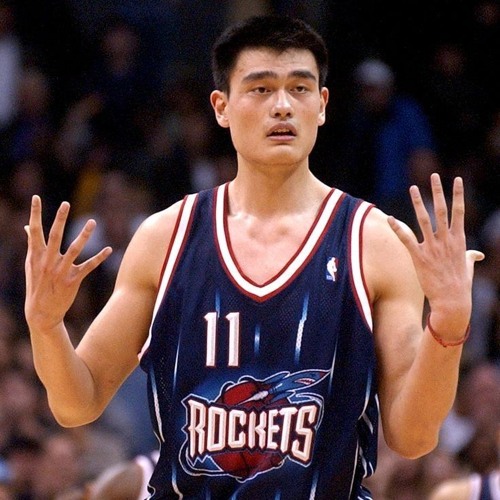
Yao Ming (7’6″)
- 2005–06: Toe surgery (missed 25 games)
- 2006–07: Fractured right tibia (missed 34 games)
- 2008–09: Foot fracture (missed the playoffs)
- 2009–10: Multiple foot injuries (missed entire season)
- 2010–11: Ankle stress fracture (played only five games)
Yao retired in 2011 because of chronic foot injuries.
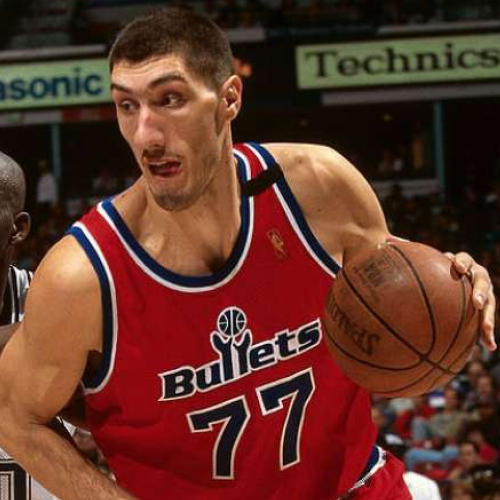
Gheorghe Mureșan (7’7″)
- Missed the entire 1997–98 season with a back injury.
- Multiple knee injuries shortened his career.
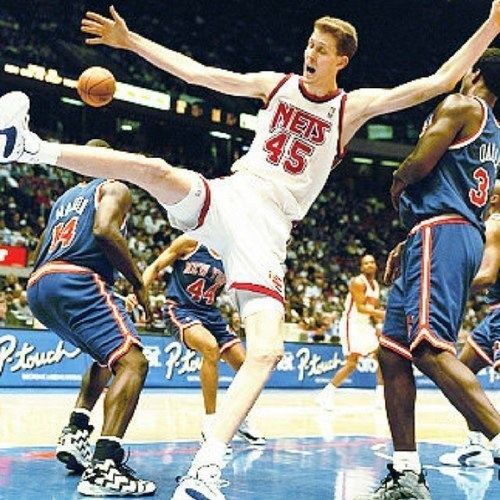
Shawn Bradley (7’6″)
- Dealt with recurring knee and back problems throughout his career.
- Leg injury during the 2000–01 season caused significant missed time.
Bradley retired in 2005 because of declining mobility. (His paralysis in a 2021 cycling accident occurred long after his playing career and was unrelated.)
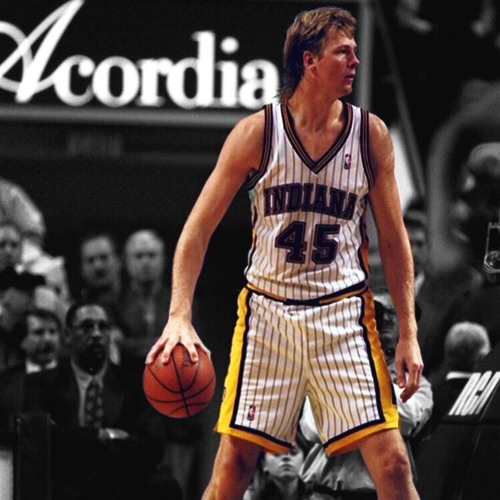
Rik Smits (7’4″)
- Chronic foot injuries throughout his career.
- Persistent foot pain led to his retirement in 2000.
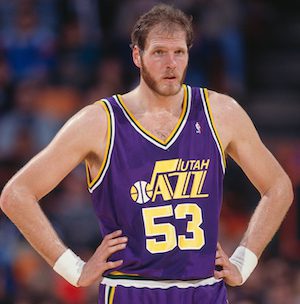
Mark Eaton (7’4″)
- Back and knee injuries late in his career.
- Missed the 1992–93 season before retiring in 1994.
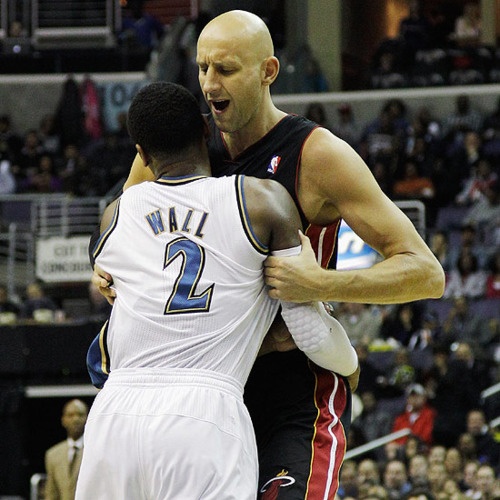
Zydrunas Ilgauskas (7’3″)
- Repeated foot fractures early in his career.
- Missed nearly two full seasons but successfully reinvented himself and enjoyed a long NBA career through careful management.
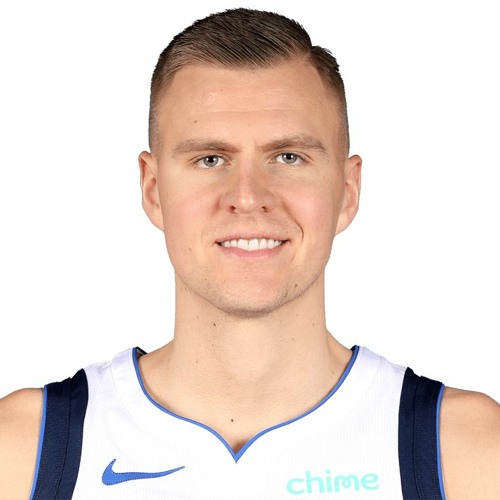
Kristaps Porziņģis (7’3″)
- Torn ACL in 2018.
- Multiple knee, calf, hamstring, and lower-body injuries throughout his career.

Boban Marjanović (7’4″)
Boban has largely avoided major injuries, although limited mobility has affected his role and playing time more than health concerns.
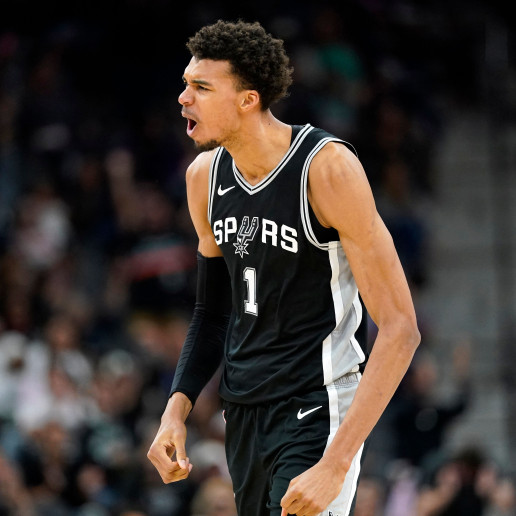
Victor Wembanyama (7’4″)
- 2024–25: Deep vein thrombosis (DVT) in his right shoulder.
- 2021–22: Stress fracture in his fibula.
- 2022–23: Managed foot and knee soreness.
The Exception Versus the Rule
History should inform expectations, but it should not imprison them. It would be intellectually careless to conclude that every player over 7’3″ is destined for chronic injury or premature retirement. Such deterministic thinking ignores advances in biomechanics, sports science, recovery protocols, nutrition, sleep optimization, load management, and individualized performance training.
Modern NBA organizations possess resources unimaginable during the careers of Yao Ming, Rik Smits, or Mark Eaton. Motion-capture analysis, force-plate technology, wearable biometric monitoring, individualized recovery programming, and precision nutrition have transformed athlete care. These innovations improve the probability of longevity. They do not eliminate biology.
The central challenge remains unchanged: human skeletal architecture evolved under conditions vastly different from those imposed by elite professional basketball. Evolution did not optimize the body for repeated maximal jumping, sprinting, lateral movement, and collision at heights exceeding seven feet.
A Generational Experiment
Victor Wembanyama is more than another superstar prospect. He represents perhaps the greatest experiment in modern basketball physiology.If he remains healthy for fifteen or twenty seasons, conventional assumptions regarding exceptionally tall athletes may require reconsideration. If injuries continue to interrupt his career, history will once again reinforce the difficult truth that extraordinary height carries extraordinary biological cost.
The NBA has never questioned whether giants can dominate the game. History has instead asked whether their bodies can endure it. Talent alone has never determined greatness. Availability does. The burden of exceptional height is not merely that it places an athlete above everyone else on the court. It places demands upon the human body that history suggests very few individuals have ever been able to sustain.




Leave a Reply